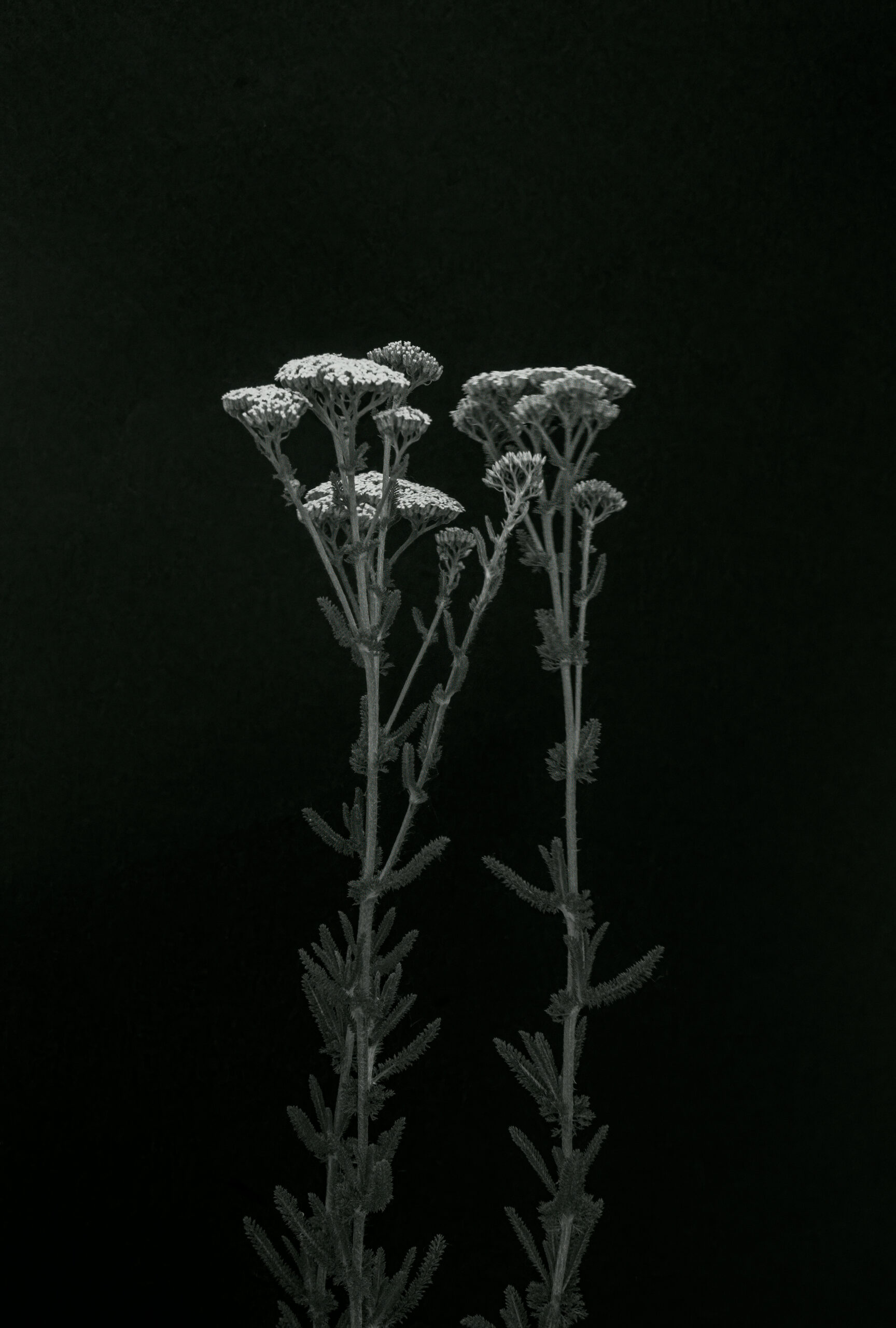
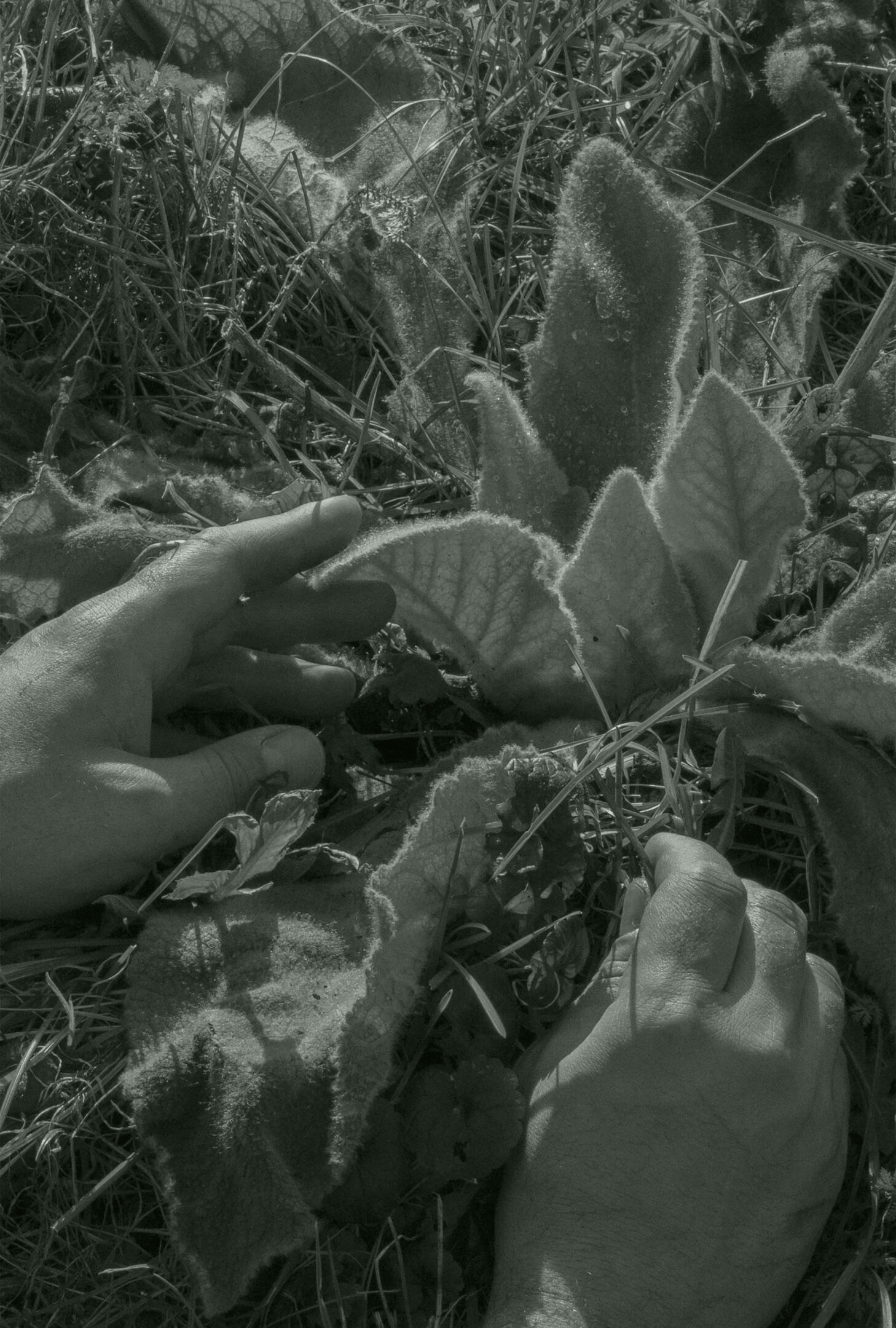
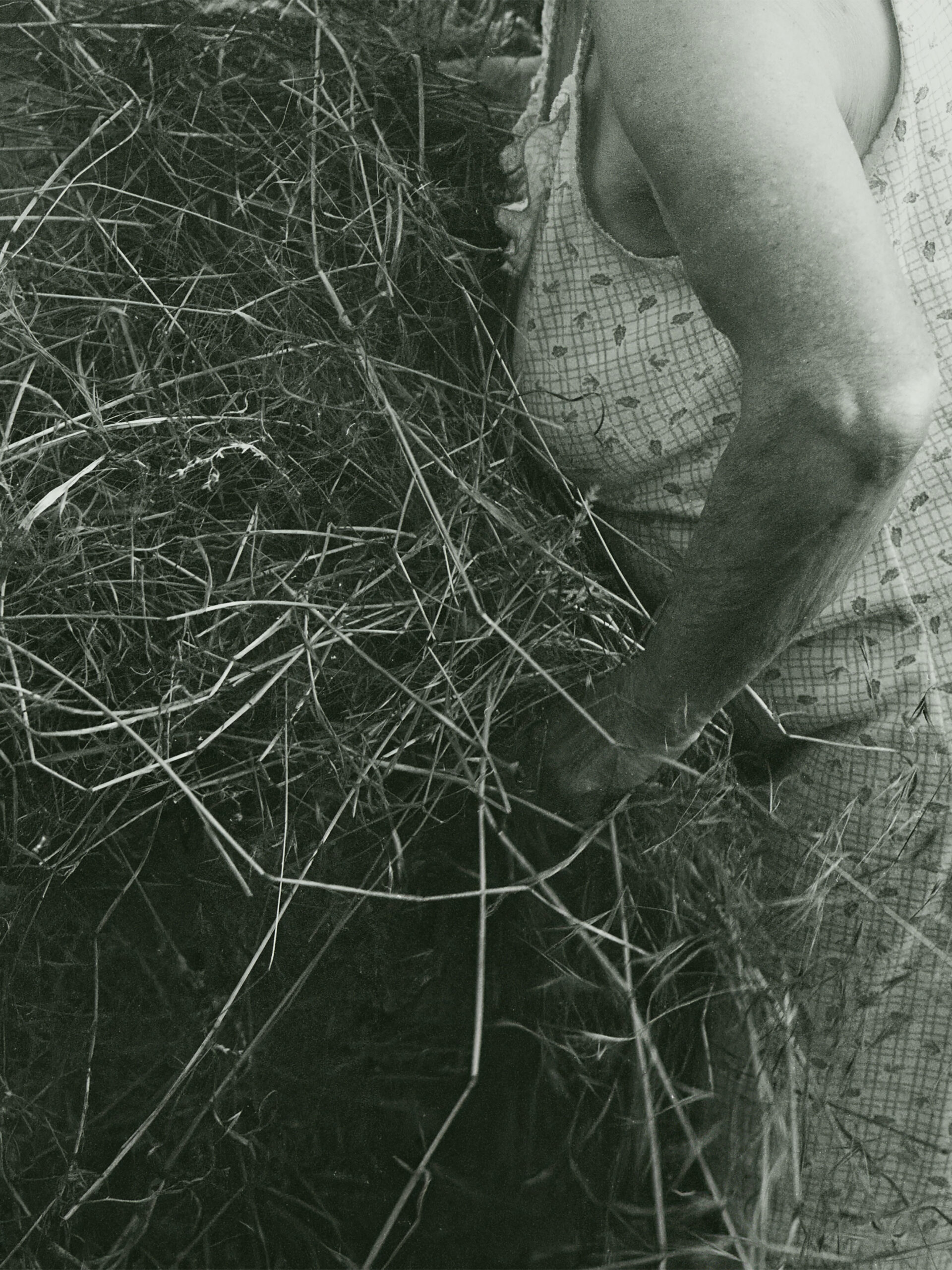
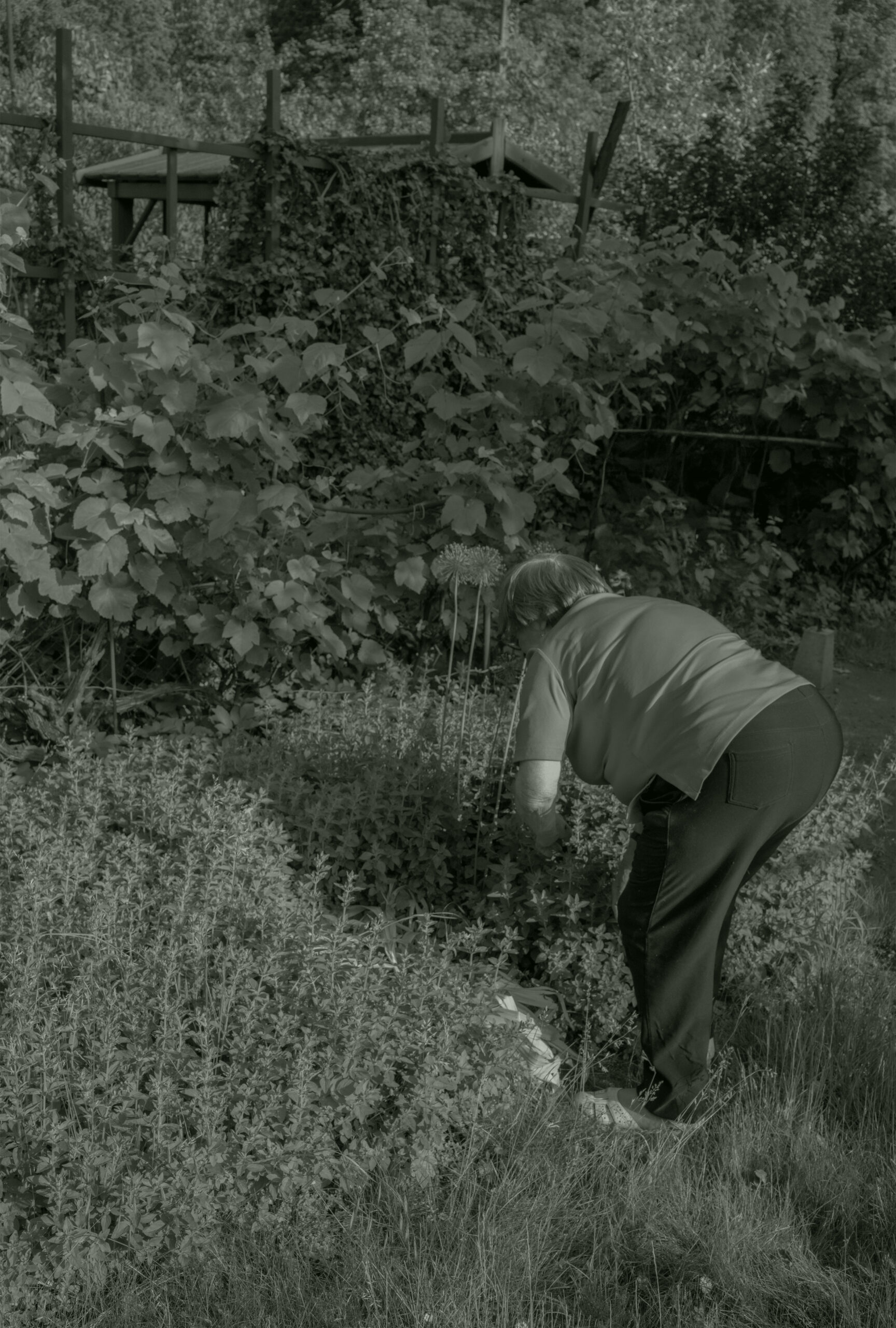
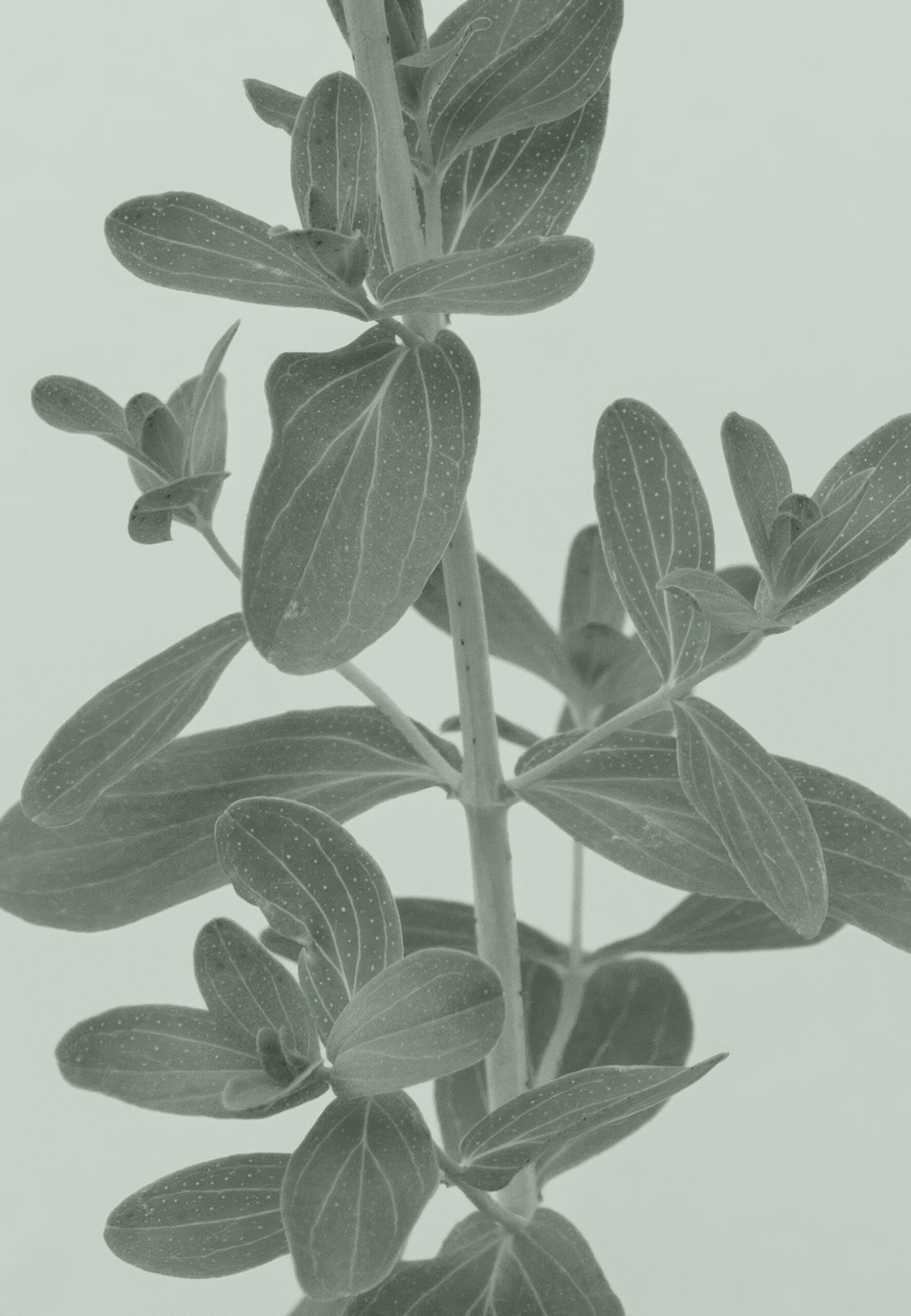
The starting point for this series was a photograph of a woman collecting oregano in her garden. I noticed that the posture we often take while working with plants resembles a gesture of bowing, similar to one directed toward gods or associated with prayer. This simple act became a lens through which I began to reflect on gardening as a deeply embodied experience, a practice in which the human body encounters the bodies of other beings, and movement itself becomes a carrier of emotion and knowledge.
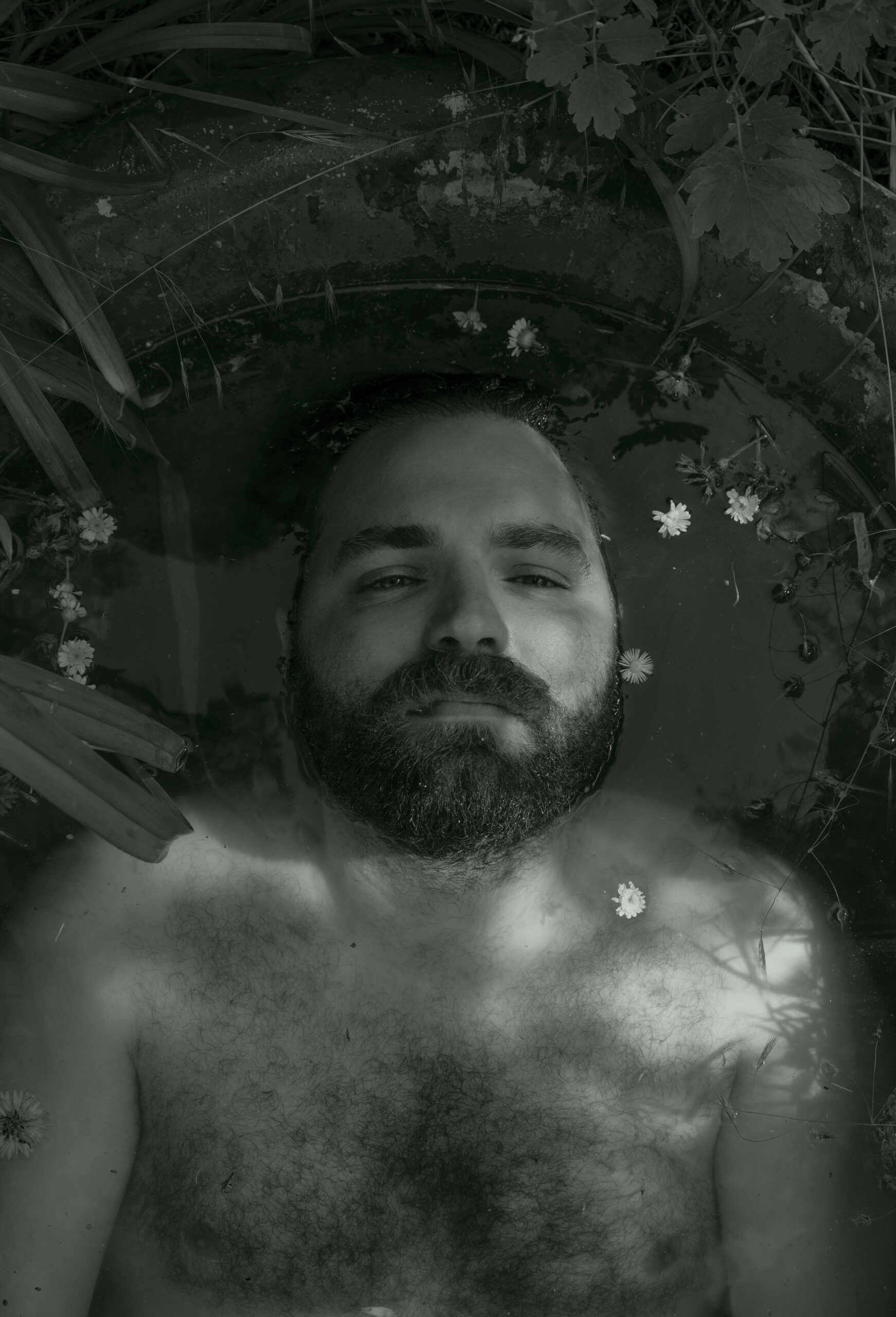
Gardening requires not only intellectual awareness but also physical and emotional presence. Through touch, gesture, and daily effort, we form relationships with plants and soil, learning what conditions sustain their growth and what properties they, in turn, pass on to our bodies. A familiar practice among northern gardeners illustrates this exchange: before planting young seedlings, we gently brush or touch them. This seemingly minor act strengthens their stems, preparing them for wind and rain, while also teaching our bodies another way of being in relation with plants, a form of interspecies knowledge, where both human and vegetal lives adapt and learn from one another.
I understand the garden not as a representation of taste or aesthetic ideals, but as an ongoing process, a lived, intergenerational experience shared among humans, animals, plants, and seeds. In this sense, seeds and soil are not only sources of life but also archives of history, carrying genetic memory, climate, and the transformations of landscape.
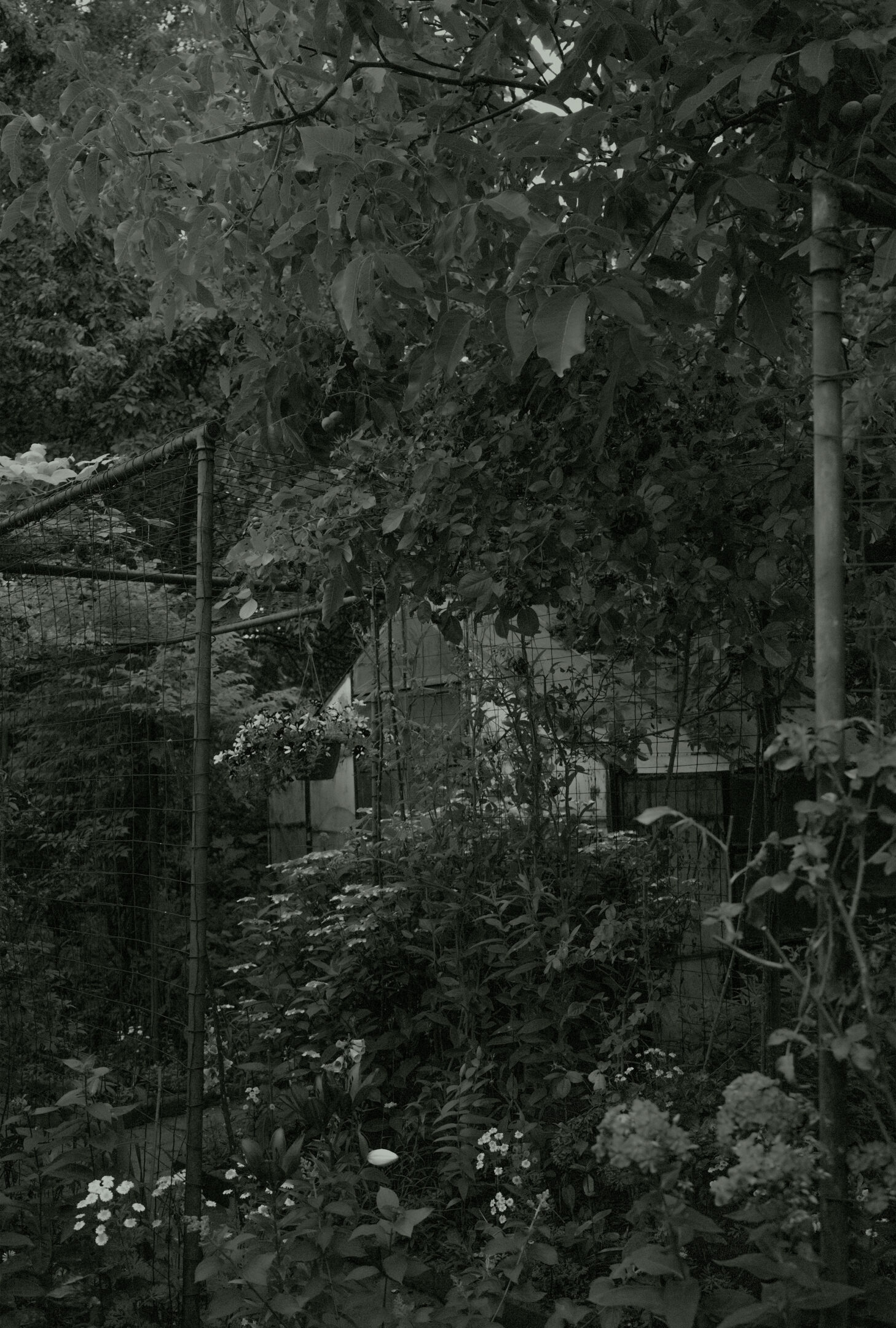
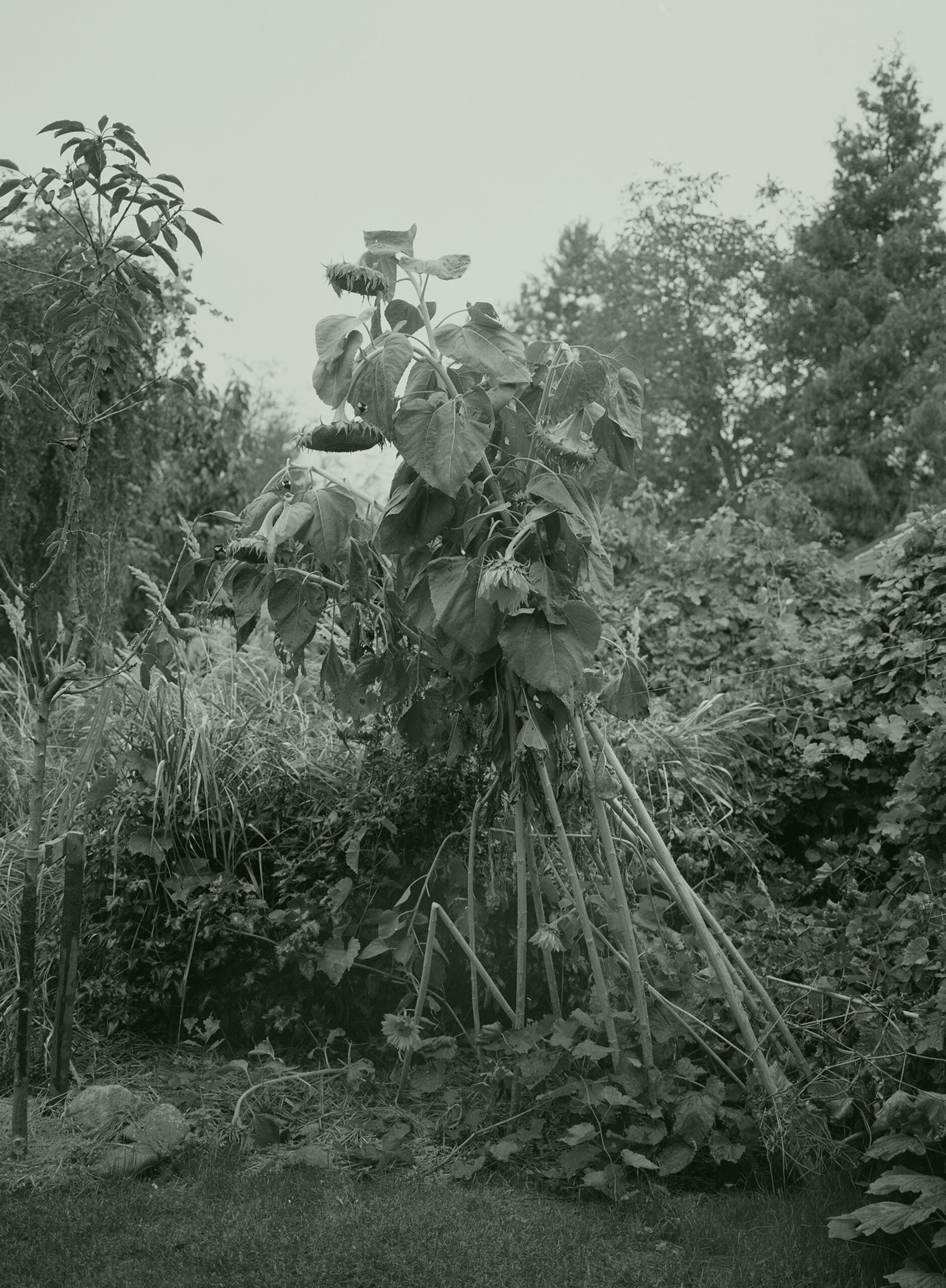
I have been developing this photographic series since 2020 in the Bielniki Allotment Garden in Poznań, where I am an active gardener. Although it is easy to romanticize the allotment as an urban oasis, it is also a domesticated space – shaped by human decisions about which species to nurture and which to exclude. It is also easy to lose this idyllic image when observing the transformations occurring in allotment gardens under the influence of local and national housing policies, as well as the ongoing spatial changes of the city.
The allotment, with its illusion of separation from the urban landscape, becomes a miniature version of the natural environment we long for, a space where coexistence oscillates between care and competition, intimacy and control.