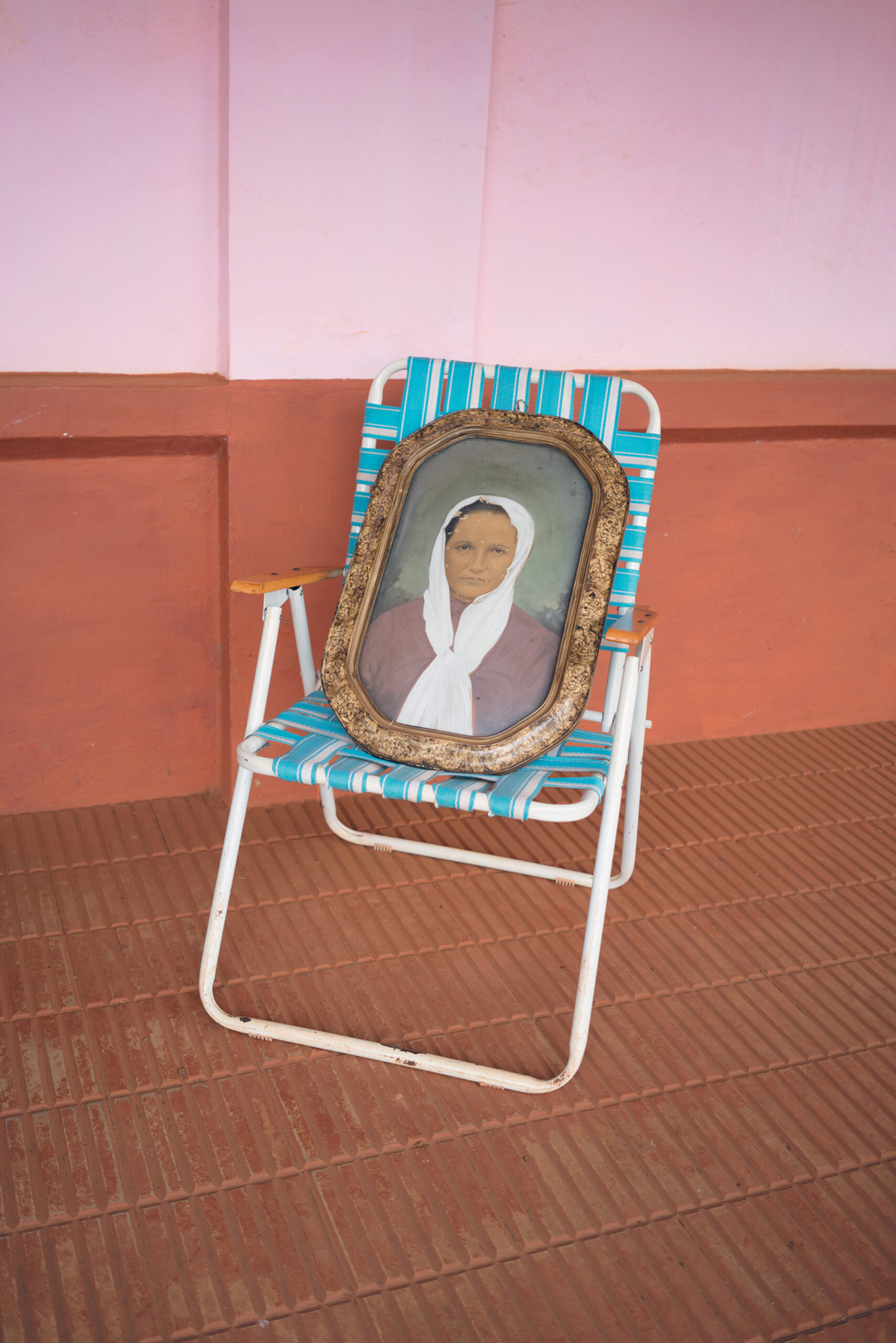
Waiting for the Snow is a long-term photographic project about Polish migration to South America during the partitions of Poland in the 19th century and the interwar period. Using our own photographs, archival documents, and family albums, we create a multi-layered visual narrative. On one hand, we collect stories rooted in the collective memory of Polish communities, focusing on their country of origin and the early years of settlement in a new homeland—questions that formed the basis of the project’s first chapter. On the other hand, we examine processes of creolization and cultural exchange, observing how Slavic heritage has intertwined with South American contexts to produce forms of identity shaped by reconstruction, fiction, and imagination.
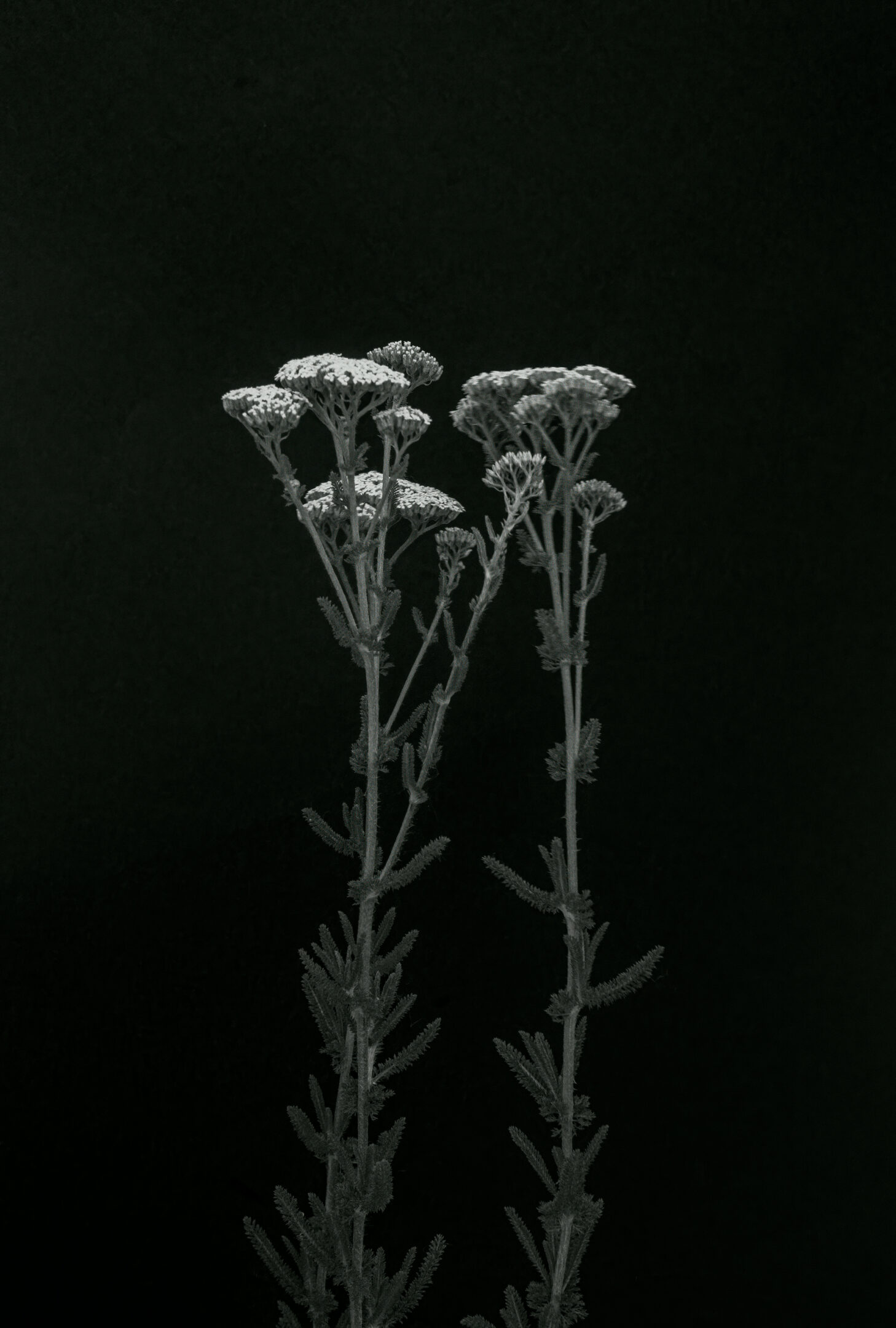
This photographic series grew from a reflection on gardening as an embodied practice. Through touch, movement, and daily care, gardening creates relationships between humans, plants, and soil, generating forms of interspecies knowledge and exchange. Developed since 2020 in the Bielniki Allotment Garden in Poznań, this project explores the allotment as a space of care and cultivation. Rather than an idyllic refuge, however, the garden emerges as a complex landscape where coexistence oscillates between intimacy and competition, nurture and domestication. Alongside the photographic work, I experiment with plant-based developers for negatives and prints, through which the garden reveals itself not only visually but also materially.
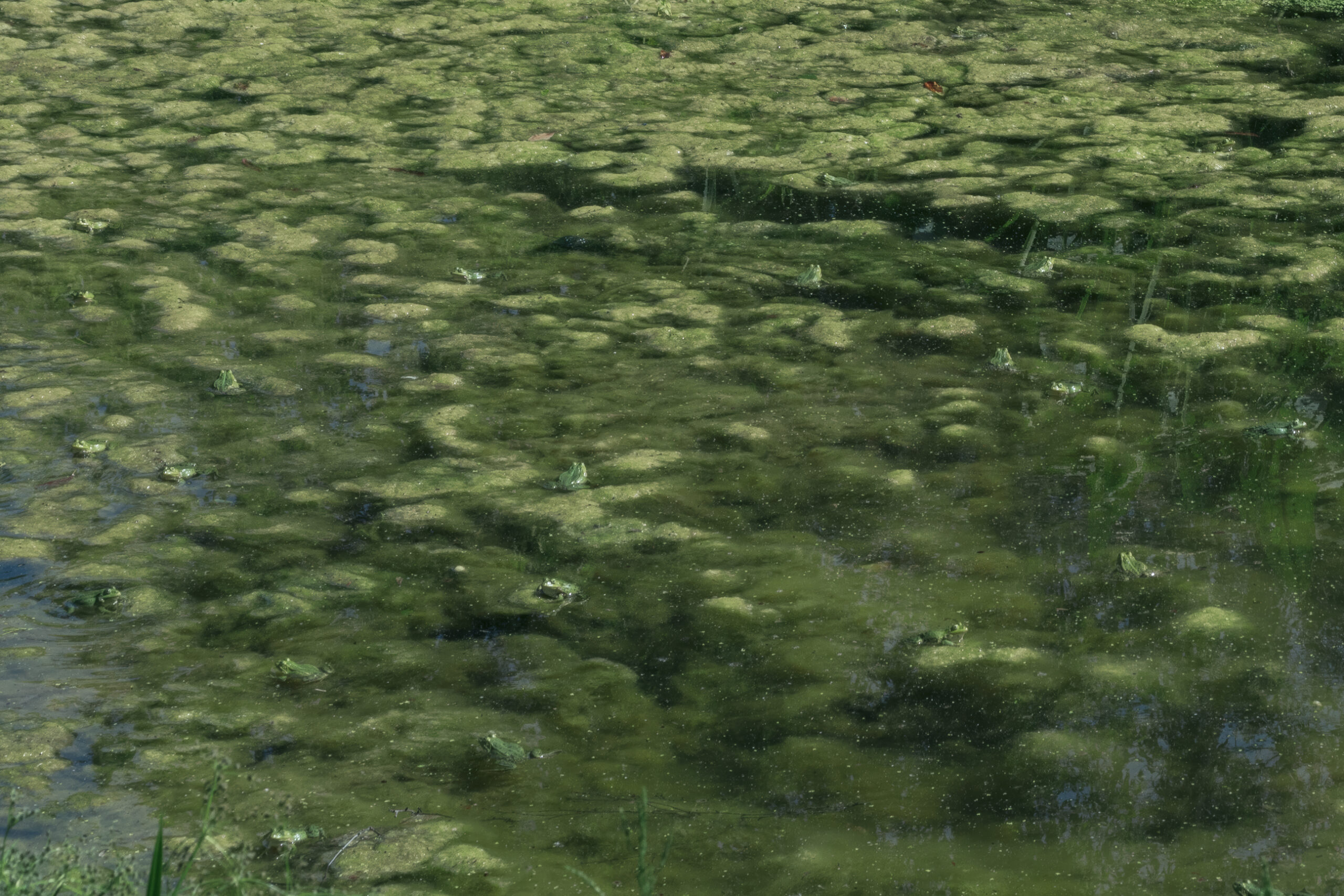
In this series, I explore the “wild” corners of the city I live in—Poznań, Poland—where streams, rivers, brooks, ponds, and small bodies of water flow. Using a camera trap, I observe who inhabits these spaces and how urban life unfolds among those who are often overlooked in spatial planning. Through photography, I aim to create awe-inspiring landscapes that draw on aesthetics we associate more with national parks or nature reserves than with urban underbrush. In doing so, I hope that, perhaps through beauty rather than cautionary tales, we might recognize the other species with whom we must form communities in order to live.
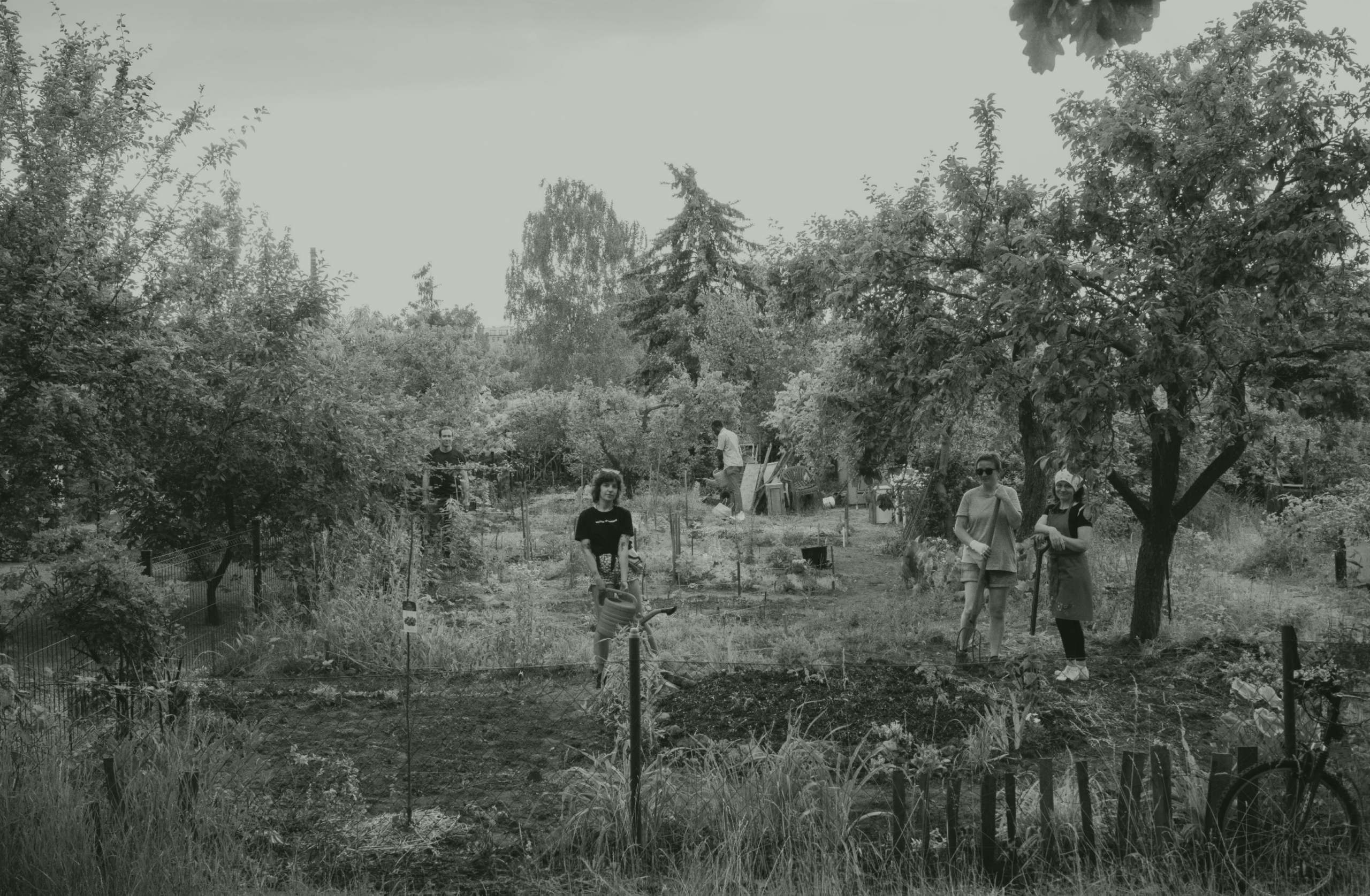
Allotment intercultural garden is a community initiative created in collaboration with people with migrant and refugee backgrounds, and Forget-me-not: Cultivating Soil, Memory, and Relationships in an Urban Intercultural Garden, an anthropological action research project and master’s thesis that explored the relationships, emotions, and memories emerging within the initiative.
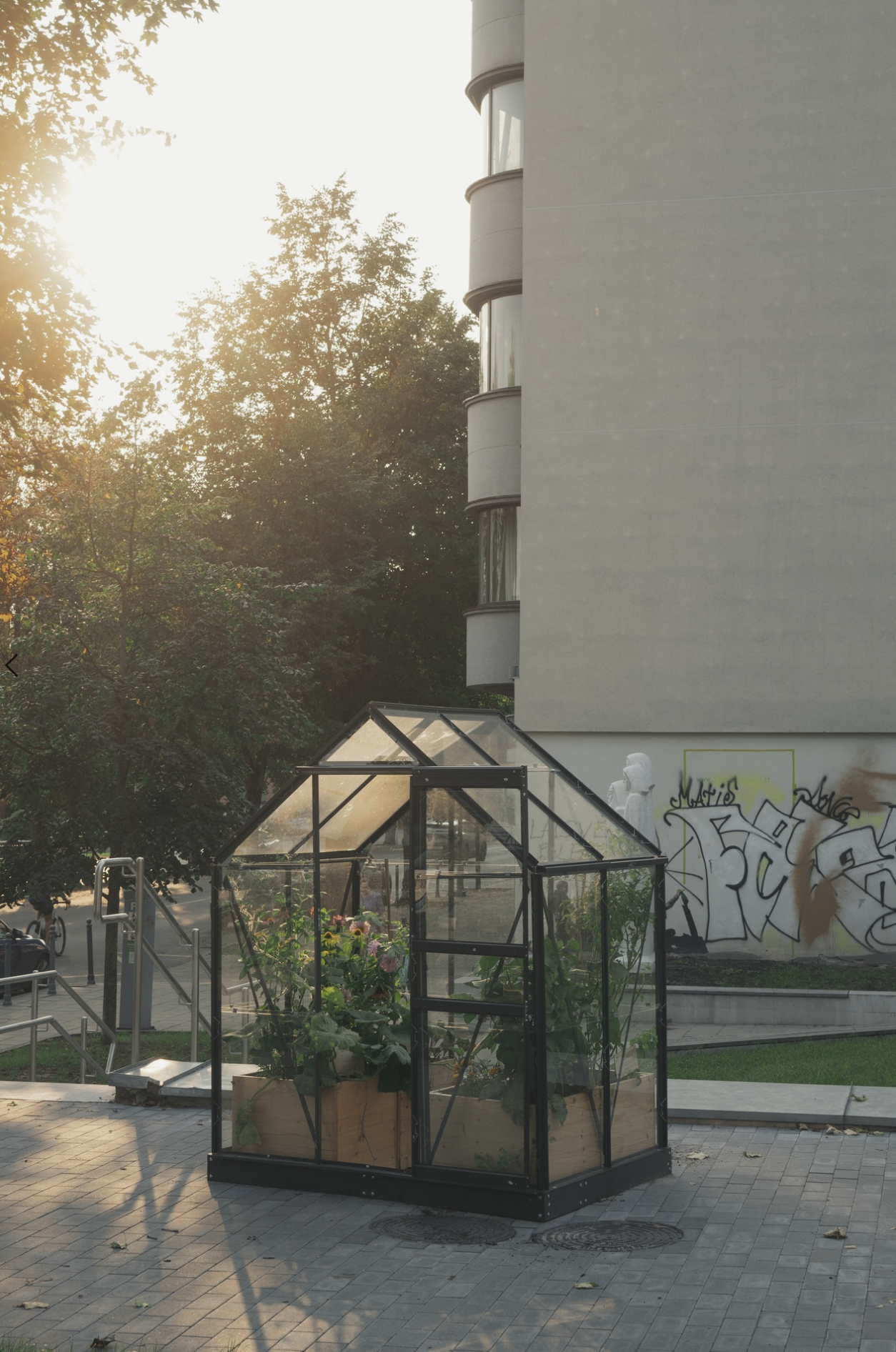
Installation that explores plants as carriers of memory, migration, and identity. Bringing together the stories of three women from Ukraine who have been living in Kaunas since 2022, the work reflects on gardens as spaces where personal histories, cultural knowledge, and relationships to home are preserved and transformed. Through plants and shared cultivation, the garden becomes a living memorial to home.
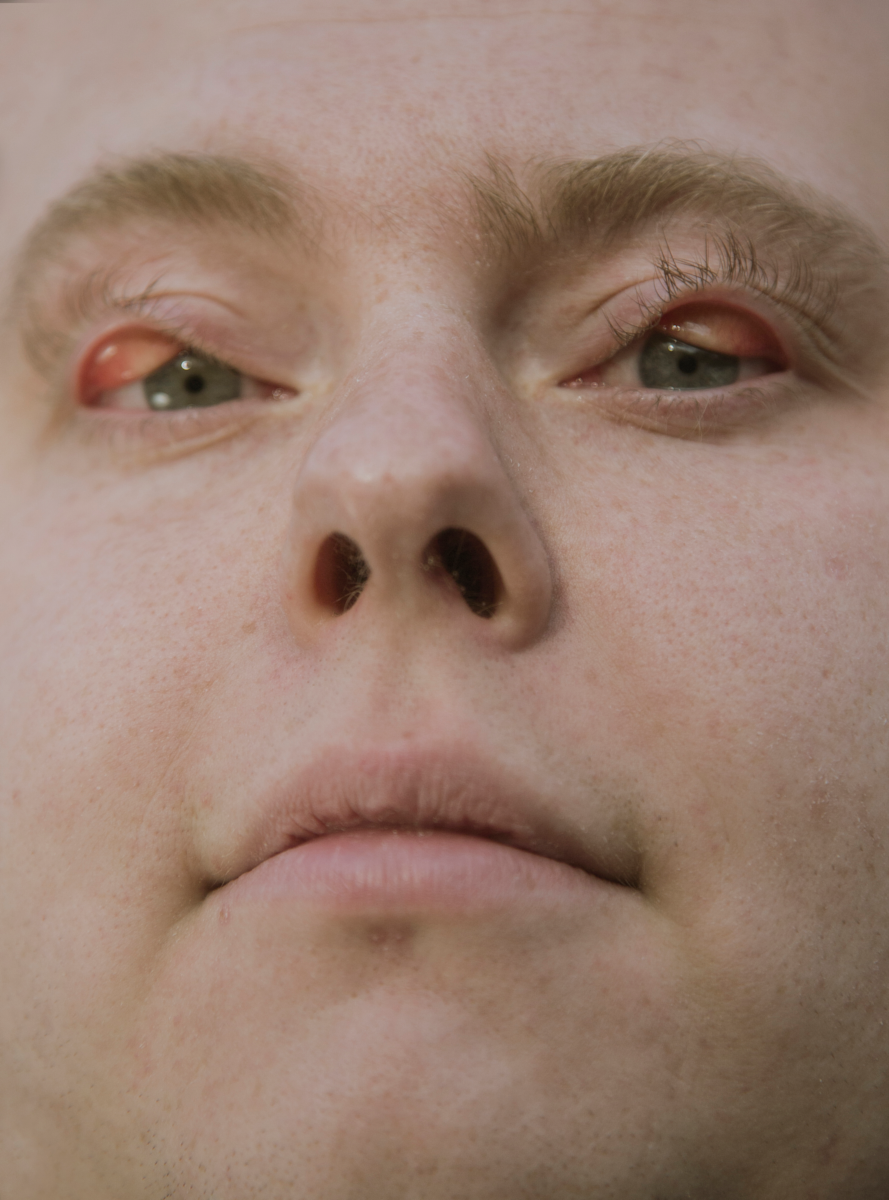
This photographic series documents experiences that resist easy explanation. Through wandering, collecting stories, and participating in overlooked rituals and places of cult, we explore the porous boundary between imagination and reality. Combining contemporary photographs with archival images, maps, and letters, the project traces personal encounters with the supernatural, revealing how memory, belief, loss, desire, and longing continue to shape our understanding of the world.
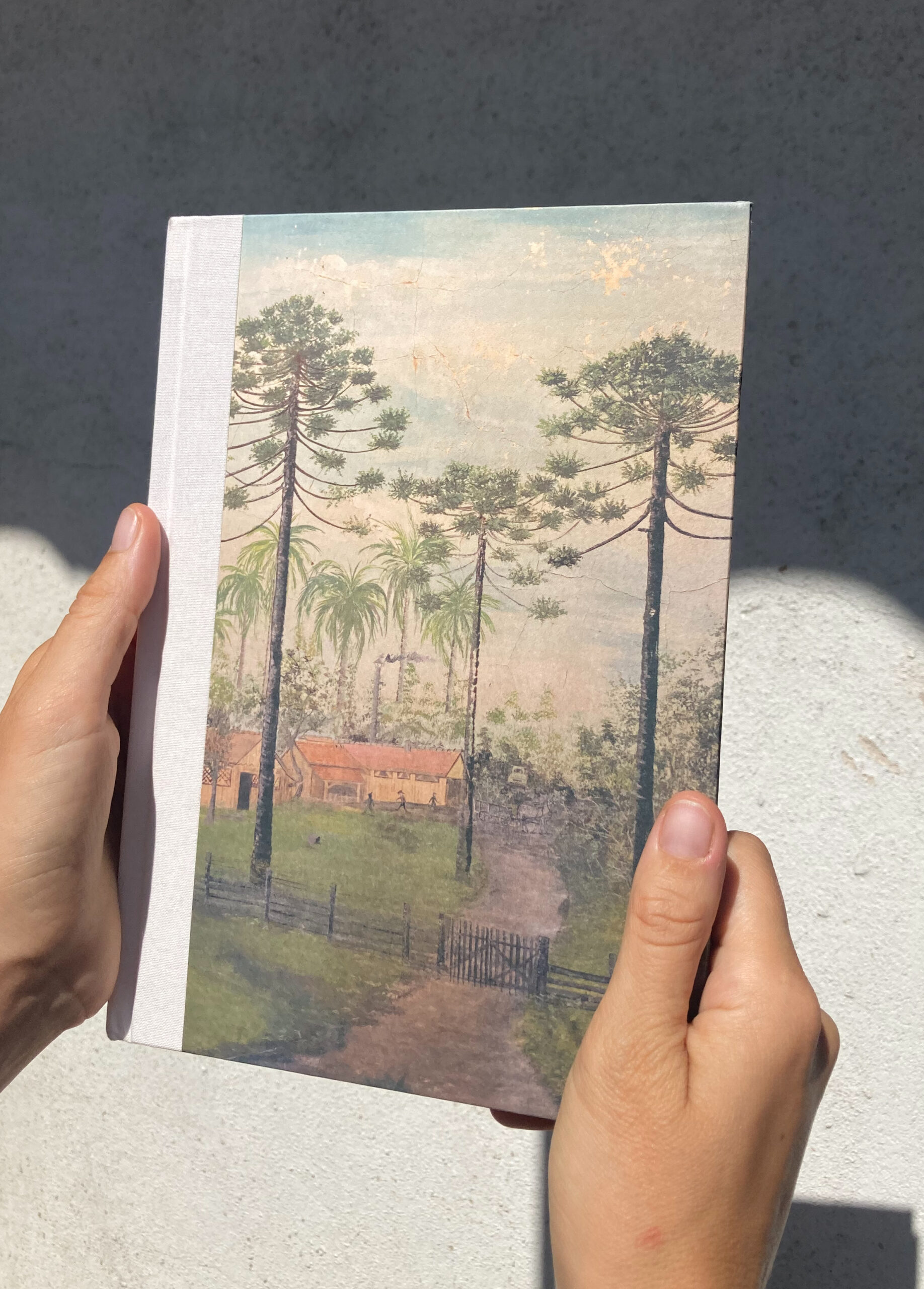
Waiting for the Snow is a long-term photographic project about Polish migration to South America during the partitions of Poland in the 19th century and the interwar period. Using our own photographs, archival documents, and family albums, we create a multi-layered visual narrative. On one hand, we collect stories rooted in the collective memory of Polish communities, focusing on their country of origin and the early years of settlement in a new homeland—questions that formed the basis of the project’s first chapter. On the other hand, we examine processes of creolization and cultural exchange, observing how Slavic heritage has intertwined with South American contexts to produce forms of identity shaped by reconstruction, fiction, and imagination.
This project was published as a photobook by Yogurt Editions