Title: Memories that grow
Category: Growing installation
Year: 2024
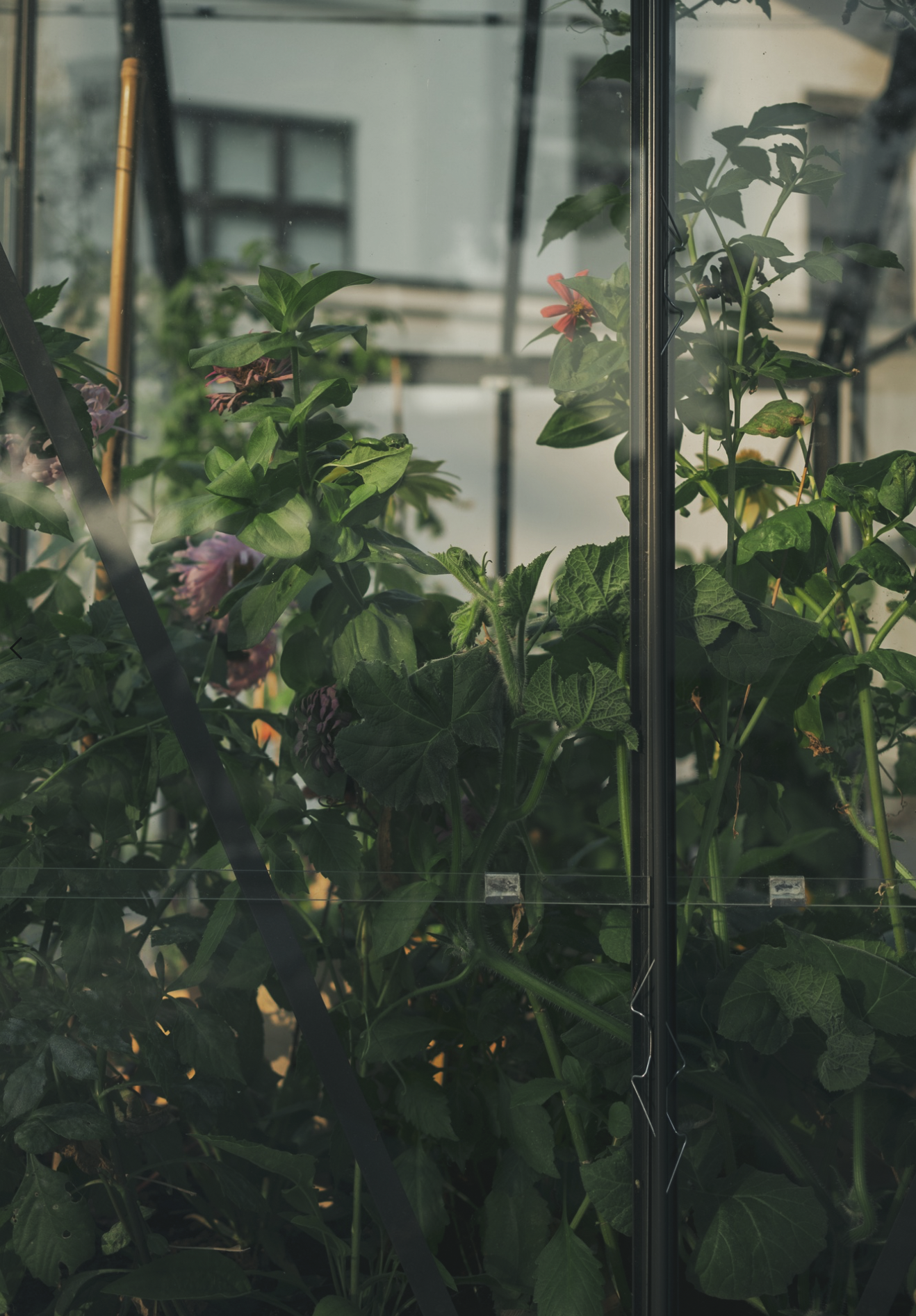
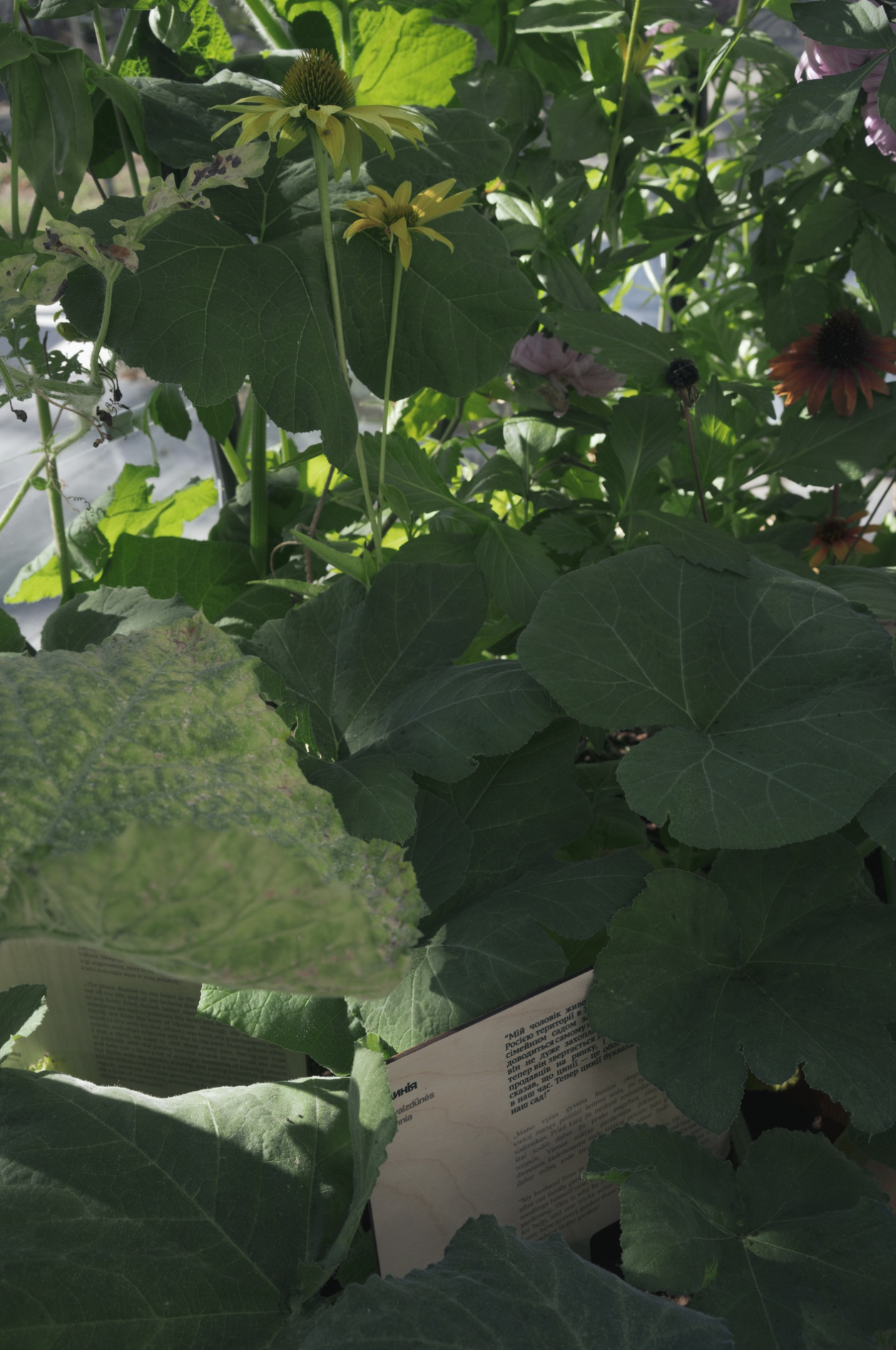
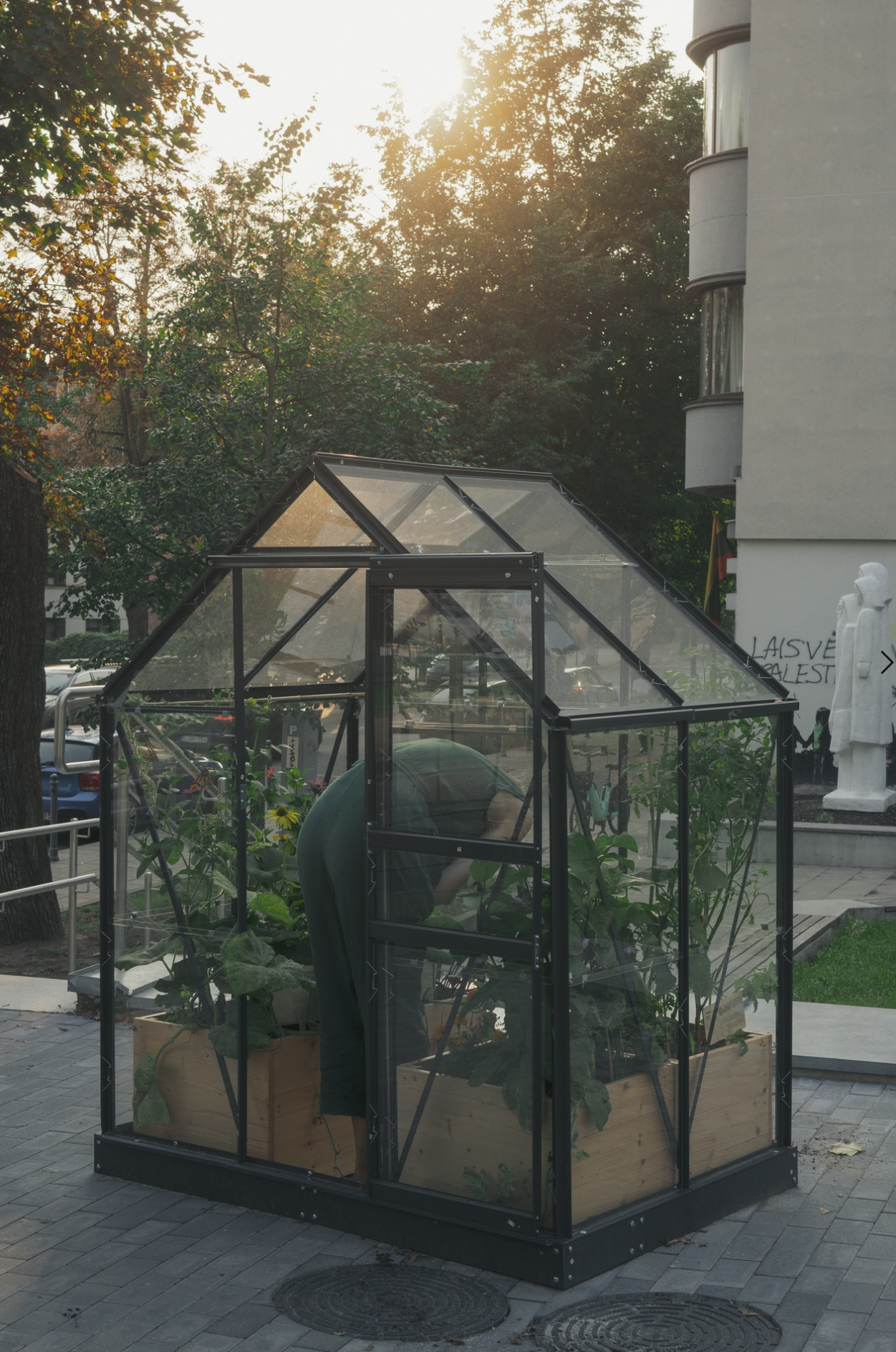
Plants, just like us, can go through quite a migratory experience, as they are carried by birds, wind and even people, who transport the seeds hidden in their pockets when fleeing their land to distant countries. Plants can adapt to foreign landscapes and bring a new and unique quality to the places where they take root. Accompanying us every day, they can be overlooked as silent heroes. However, they can hint at our stories, our memories and remind us of those we miss while we are far from home, preserving the relationship with our past and our identity.
Gardens gather our customs, tastes and knowledge from our mothers and grandmothers. They respond to global trends and fashions. They manifest an incredible power of resistance: against the occupiers, against starvation, against drought. The garden provides a space for exploration and experience through senses, cognition, and action.
Above all, gardens give us hope for the future—the sort of hope one feels when, after winter, while everything seems dead, spring arrives, and life begins anew.
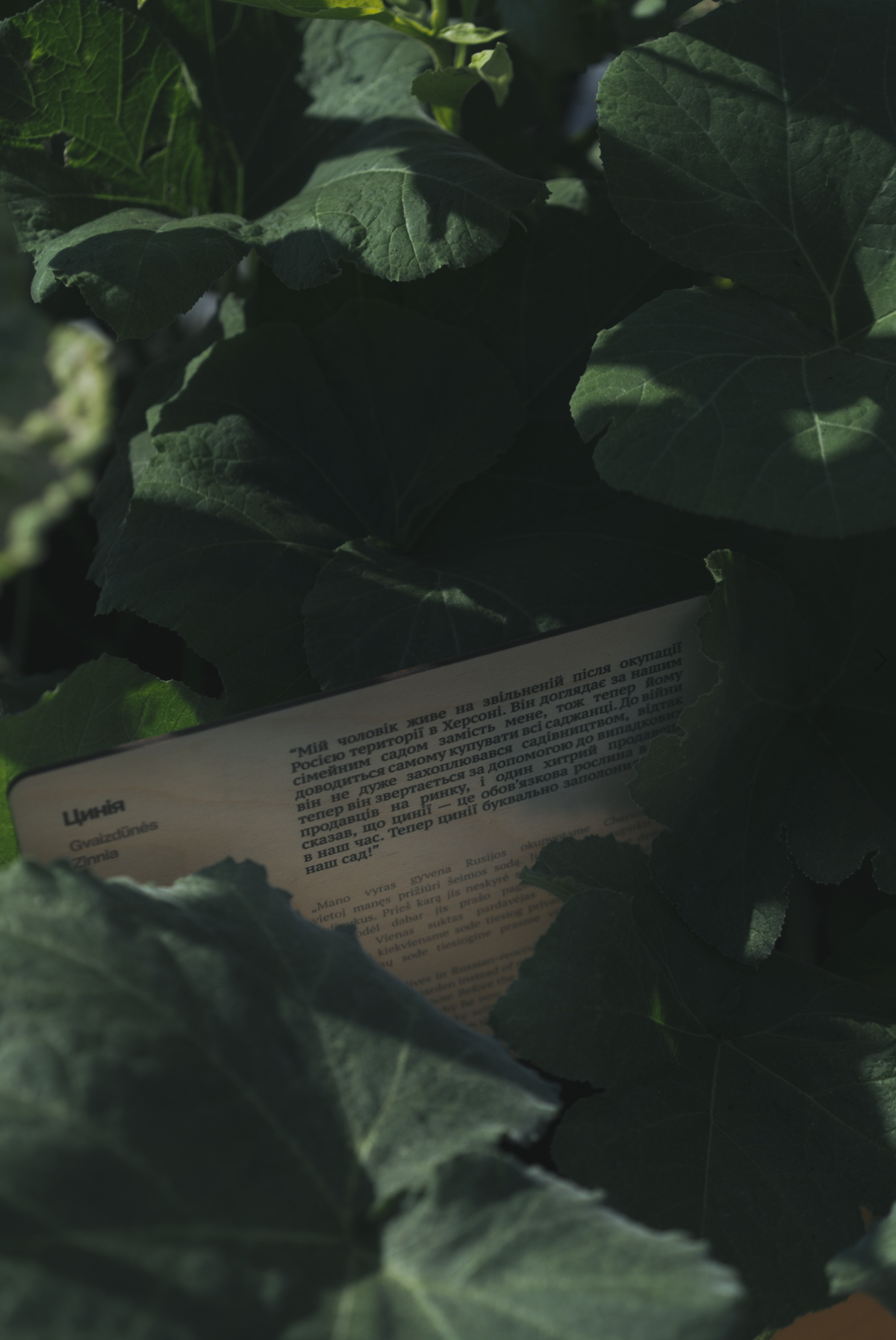
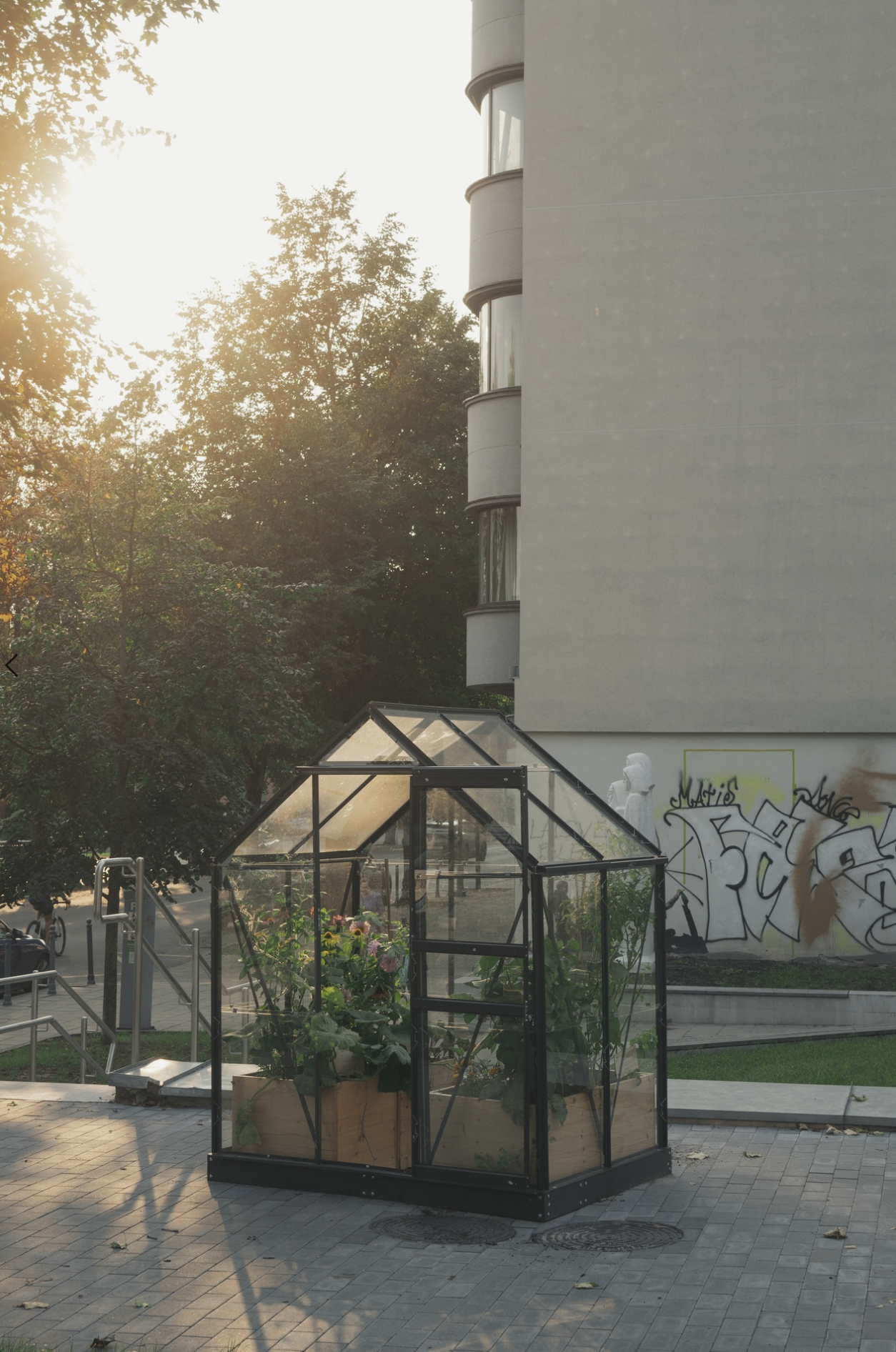
This garden brings together the stories of three women from Ukraine who have been living in Kaunas since 2022, when the large-scale invasion started in their country – Kataryna from Mariupol and Diana and Iryna from Kherson.
A big thanks to these community members for sharing their stories, for trust, commitment, and wonderful time spent together.
Organised by Magic Carpets, Kaunas Biennial
Big thanks to Frida Center Fundation, Skliautas
Funded by Creative Europe, Lithuanian Culture Institute
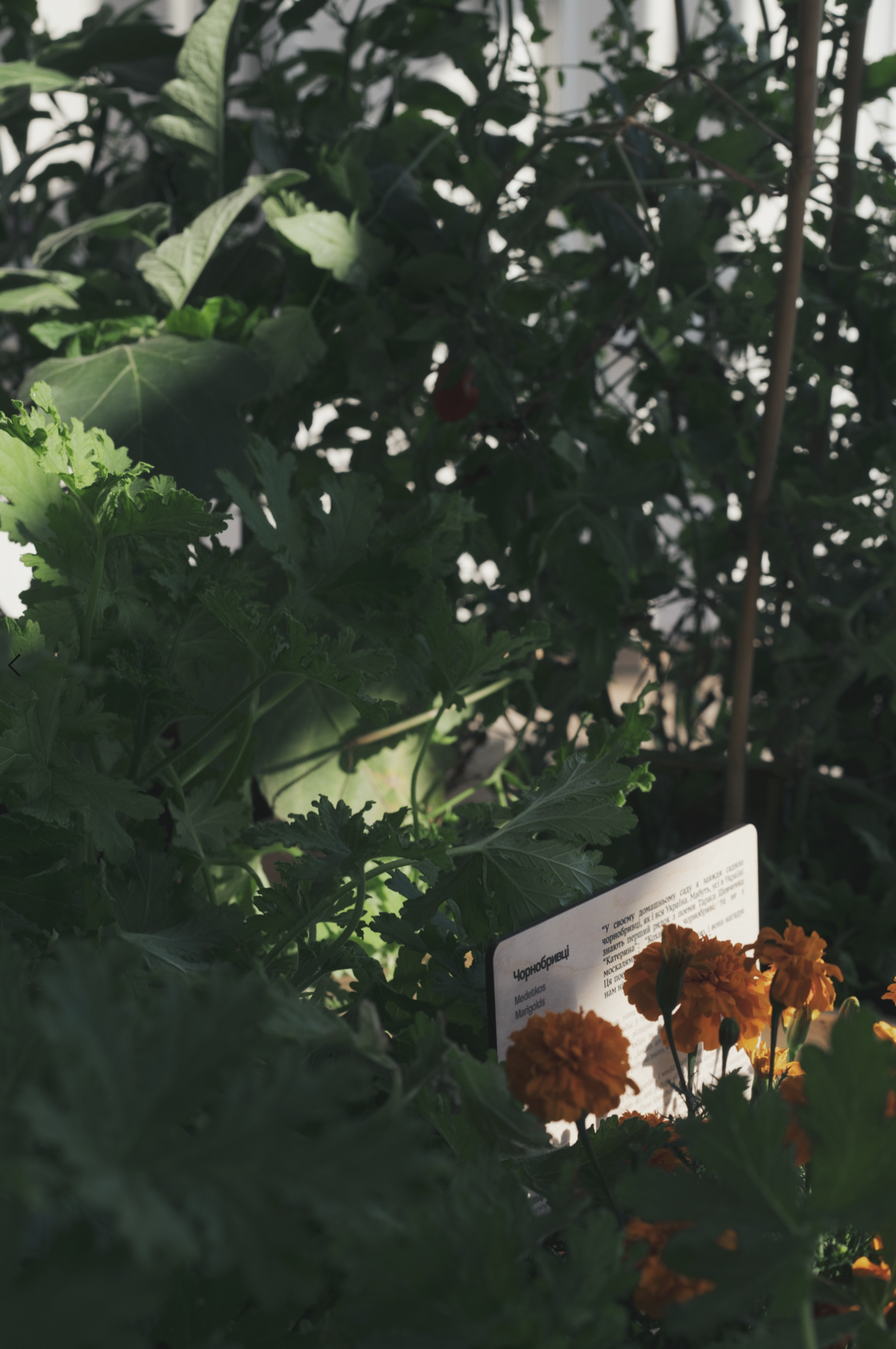
“In my home garden, I would plant marigolds, as this is what all Ukrainians do, and perhaps all Ukrainians know the first phrase of a poem by Taras Shevchenko: “Fall in love, o black-browed maidens, but not with the Moscali”. In Ukrainian, marigolds are called “the black-browed” [чорнобривці]. This poem is based on this flower and it reminds us to never fall in love with a Russian.”
– Kataryna
„The plant dearest to my heart is the potato. It has accompanied me all my life, and all my favorite dishes include potatoes. I love it in any form: fried, boiled, baked, mashed, etc. My warm childhood memories are tied to potatoes. My mom and, accordingly, her entire family are from the west of Ukraine. Although she moved to the south to live with my dad, where I was born, my grandparents, aunt, cousin, and other relatives still live in the west. Starting from when I was a child, we used to visit them every year, timing our trips to coincide with the potato harvest season so we could see them and help out. I have a lot of nostalgic memories of running around the fields with my cousin, playing, and eating incredibly delicious potato dishes cooked in a real traditional oven in the evening. In my region, potatoes are also grown, although not as widely, but they are a kind of connection, something that unites us, something that, in fact, unites the whole world.”
– Diana